It is probably the first lesson when you laready hear about „tegeződés” and „magázódás”. Alias using formal or informal speech with someone.
For many foreigners it is not that difficult to understand – unless, they are using English as the language of communication for learning. But many languages have something similar (or something even more complicated) in place to express the level of respect or distance to others in grammar and/or vocabulary.
The tricky part is when you have to decide when to use it and when not. But don’t worry in Hungary: Hungarians get confused many times, too.
The basic rule is very simple: elders, people in higher ranks, in state or community offices, at different authorities and complete strangers – „magázódás”.
Friends, colleagues (especially at multinational companies), people in a casual situation from your age group – „tegeződés”.
The older person invites the younger, the woman invites the man, the higher-rank person invites the lower-ranking person to „tegeződjünk!”
In Hungary, we still have the tradition of „pertu” or „drinking pertu” – even if it is mainly practiced by olders: they offer you a drink (most often a shot) and pertu. That means you say „Szia!” or „Szervusz!” to each other, and once you are finished with your drink, you are „in pertu” (in informal terms). And it’s rude to reject!
And what happens when the people are a little bit this and little bit that, so come out as kind of equal in the end? Especially in a situation that is kind of promoting the „tegeződés”? Well, then, they’ll feel very-very awkward, soooo awkward that they can’t even hide it. Then, they”ll start their awkward ritual of exchanging confused grins, questions and answers, until finally, they both agree to switch to “tegeződjünk”. (Which they can also seal with a pertu drink – depending on the situation.)
See? I told you that sometimes, it is complicated for natives, too. But the world is changing… and the „tegeződő” culture? It is spreading, too – which, of course, just makes it all even more complicated!
Today, it is very common that one doesn’t care if the other person is older, another gender or even a kind of authority, they will walk up and greet you with a casual „hi!”. And they won’t back down even after getting a meaningful „Jóóóó napot kívánok!!” in response to put them back into their place.
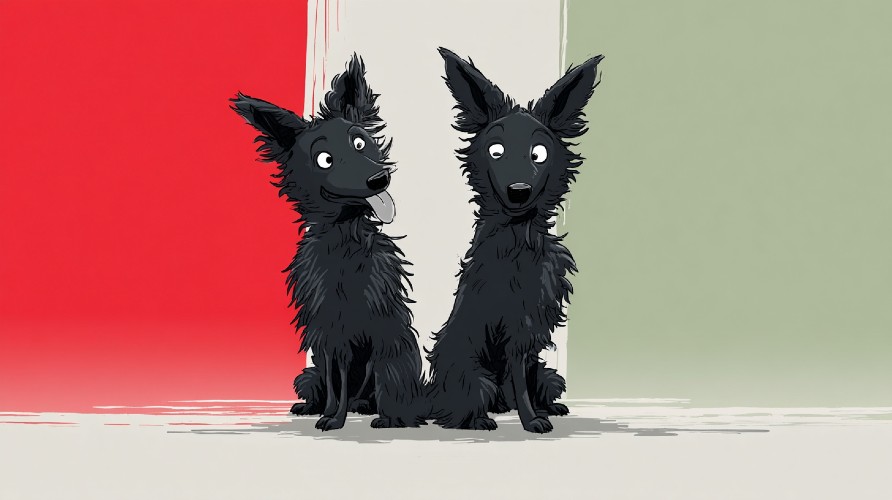
The problem is that if you think that choosing the polite „magázódás” will keep you on the safe side.. But let me break the bad news to you: some take „magázódás” as offensive as others take „tegeződés”. Because you are telling them that they are old and you are telling it right into their face!
So what is the rule of thumb, then?
Besides elderly people, always use „magázódás” with authorities like doctors, nurses, police, government officials, local government staff, tax office employees, and so on. (Unless for any reason, they offer „tegeződés”. But if they do, “tegeződés” is a must!)
Friends, strangers of until around 50-60 in casual situations, especially your age-group: „tegeződés” is good! If they open with happy „hi!” or „hello!”, then „tegeződés” is a must.
In between, here’s the trick Hungarians use: they start with „Hello! Jó napot!” when stepping into a shop, for example. (Or „Jó napot! Hello!”, of course) Then, they’ll watch out for the reaction.
If the other one replies with „Hello!” or „Hi!”, you’re good and can use „tegeződés”. If the other one replies with „Jó napot!”, it’s better to stay with „magázódás”. If they reply with „Szép napot!”, Well, then, only your sixth sense can tell you if it’s slang and they are trying to act cool or they want to make it clear that they want “magázódás”. 😀 Sorry… Really.
So the next stage is: what do Hungarians do when they are either still not sure about the situation or they just feel that the offered “tegeződés” feels awkward? They’ll start a puzzle game in their minds: how to create sentences that avoid using „you”.
Like instead of saying „Foglalj helyet!” or „Foglaljon helyet!”( Take a seat, please!”, they will say something like „Hadd hozzak egy széket!” (Let me grab a chair!) or say „Szék?” (Chair?) innocently and point at the specific piece of furniture. And „Kikötődött a cipőfűződ!”( „Your shoelace is untied!”) becomes „Kikötődött a cipőfűző!” („The shoelace is untied!”), or just „Elnézést! A cipőfűző! (“Excuse me, the shoelace!”)
Or they won’t say „Can I ask your name, please?” they’ll say „I’m sorry I’m terrible with names, and I just…” and stare at the other person like the winner of the Puppy Eye World Championship.
They can even form awkward sentences like „Mi a neve, neved?” or „Hol lakik, laksz?”
So it’s kind of like this not that easy. But I really hope it still helped clear things up a bir about “tegeződés” and “magázódás”! 😀
Well, and now, I would love to promise to say a few words about the next level of “magázódás” (very often heard from shop assistants or people working in service) using „tetszik” like “Mit tetszik kérni?” (“What do you like asking for?”), but I won’t. Because there are two types of Hungarians about it: those who use it, and those who hate it. So in this case, the rule of thumb is very easy: NEVER EVER USE “TETSZIK” to express polite “magázódás”. Never. Don’t even try. Just tolerate it like a true gentleman when others say it to you.