
A 3 testvér / The 3 brothers
Meet Péter, Gábor, and Dávid. Read the clues and figure out who is who!
Meet Péter, Gábor, and Dávid. Read the clues and figure out who is who!
3 in 1: Read about the number 3 in Hungarian folk tales in Hungarian. Learn some adjectives. Practice comparison in Hungarian.
Practise Hungarian ordinal numbers (first, second, third, etc.). You are a courier and you must deliver the parcels.

János úgy dönt, hogy futni kezd. – A short story for beginners with some practice: János decides to pick up jogging because he wants to start a healthy life.

This sheet is an ear and finger-training to get you used to how Hungarian words sound in different cases.

This sheet is to help you with the pronounciation of „e” and „é”.

Introduce yourself: name, age, where you are from, hobbi, marital status.
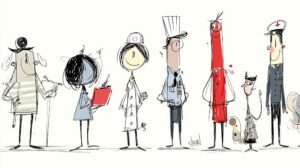


One way to create adjectives is to take a place and add an -i. Do you want to try?

When you don’t yet have enough vocabulary or grammar to speak fully in your target language, try PatchPhrasing.
It means you speak in your native language — but replace any word or phrase you do know (or are just learning now) in the target language.
This helps you learn in context and understand the function of the word (e.g. noun, verb, tense, etc.).
Example:
“I want a piros sports car. Sooo piros like a ripe cherry.”
(piros = red — but I think you guessed that.)
It’s fun, flexible, and builds real fluency — one word at a time.